The defacement is not stored and is only present when the URL has been crafted for that purpose. Only the defacement is present, so no other site content (such as branding) is rendered.By generating and tricking a user into visiting a malicious URL, an attacker can perform site defacement.
Similar Posts
What Makes an Enterprise AI System Production-Ready, and Why Most Never Get There
The economics of AI inference don’t behave like the economics of conventional compute. A pilot that runs comfortably on a small user base can become financially unworkable at production volume, not because anything…
PreviousNext: Three features for creating a great website experience
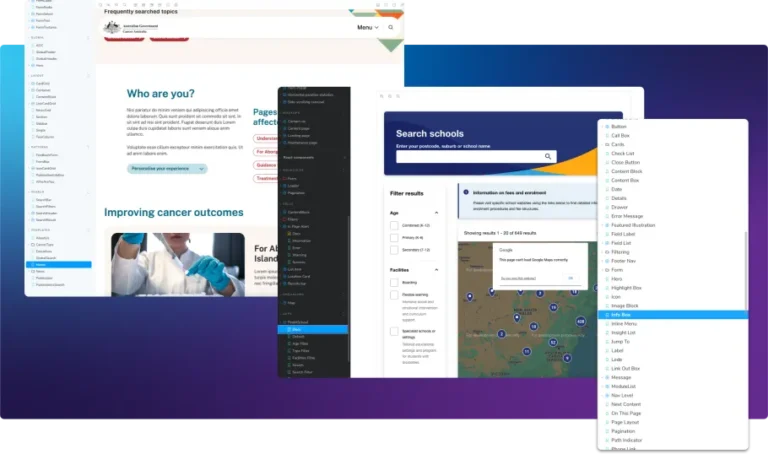
Check out the work we’ve done for Cancer Australia using Layout Builder, Storybook and OpenSearch. Storybook was used on both the Cancer Australia and Catholic Schools NSW websites. 1. Storybook – Uplifting Documentation …
What is organic traffic and how it works
Jan 09, 2026 Ariffud M. Summarize with: Organic traffic is the stream of visitors who land on your website by clicking unpaid search results on search engines like Google, Bing, or Yahoo. For…
Drupal integrations with Popular Cloud Services: AWS vs MS Azure vs GCP
Dear website owners, if you connect your Drupal website to cloud services such as AWS, Azure, or GCP, many opportunities will open for you. Cloud computing has transformed the way you manage web…
Drupal AI Initiative: Drupal AI Summit, Paris | Creating AI systems that belong to everyone
AI will continue to influence how digital experiences are created and maintained. The question is how we build it and who gets to decide.On 9 December 2025, leaders from across the globe will…
Jacob Rockowitz: Drupal (AI) Playground: Walking with AGENTS.md
In the past, I assumed I could use someone else’s CLAUDE.md or AGENTS.md file as my starting point, but I am beginning to think that as LLMs improve and gain a better understanding…